| Body material | Stainless steel AISI 316L / EN 1.4404 |
| Seal material | Blue HNBR/EPDM |
| Breathable membrane | White ePTFE |
| Metric thread options | M6 to M24 |
| Operating temperature | -25 °C to +150 °C |
| Protection rating | IP67 |
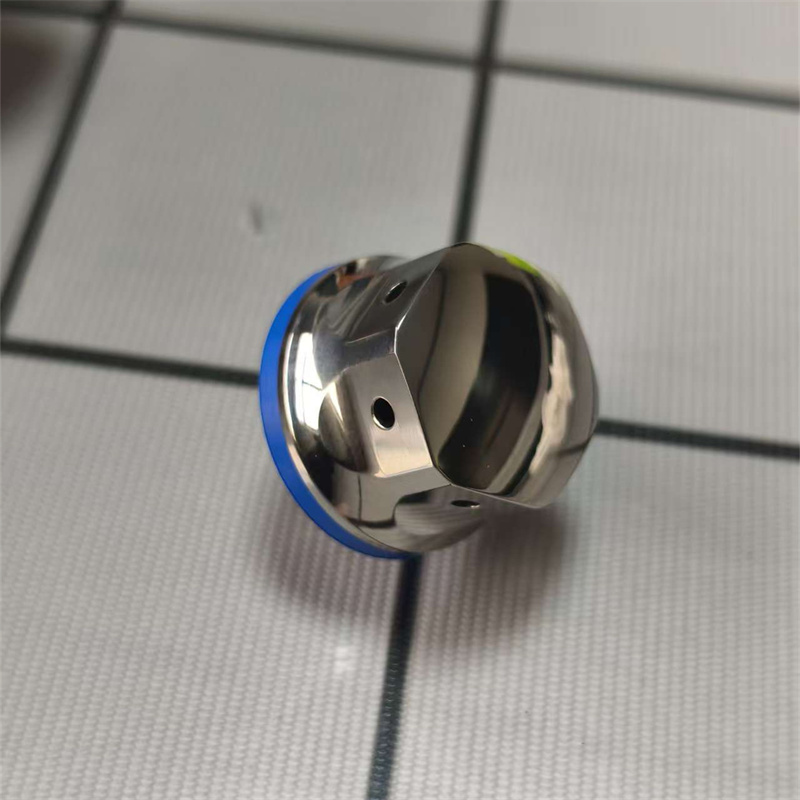
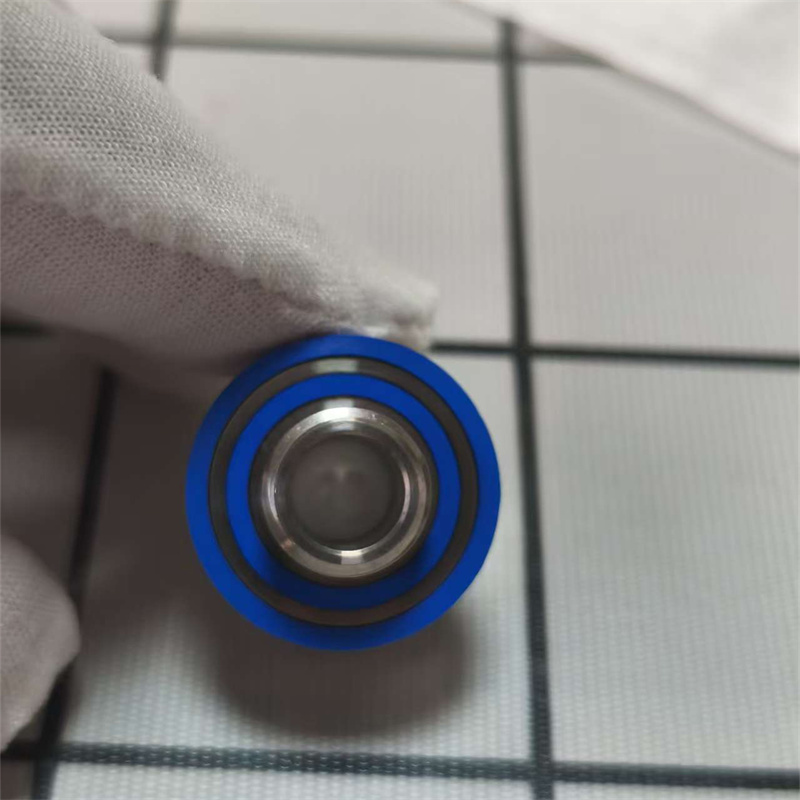
Hygienic breather drain helps equalize pressure between an equipment enclosure and its surroundings while limiting water and dust ingress. It combines 316L stainless steel components, blue HNBR seals and a white ePTFE breathable membrane. Six metric thread options are available from M6 to M24. Compare the dimensions and membrane air-permeability values below to select a suitable configuration.
| Thread specification | Thread* | Thread L (mm) | Length (mm) | Spanner size | A/P (mL/min/cm² at 7 kPa) |
|---|---|---|---|---|---|
| M6 × 1.0 | 6 | 6 | 14.8 | SW8/SW12 | 500-1,000 |
| M8 × 1.0 | 8 | 6 | 14.8 | SW10/SW14 | 500-3,500 |
| M12 × 1.5 | 12 | 6 | 14.8 | SW14/SW18 | 500-3,500 |
| M16 × 1.5 | 16 | 7 | 15.8 | SW18/SW22 | 500-3,500 |
| M20 × 1.5 | 20 | 8 | 16.8 | SW22/SW24 | 500-3,500 |
| M24 × 1.5 | 24 | 8 | 16.8 | SW24/SW28 | 500-3,500 |
| Cap and threaded body | AISI 316L stainless steel / EN 1.4404 |
| Cap finish | Polished stainless steel |
| Sealing rings and sealing washer | Blue HNBR; hardness 85 ± 5 Shore A |
| Membrane | White expanded polytetrafluoroethylene (ePTFE) |
| Assembly operating temperature | -25 °C to +150 °C |
| HNBR temperature range | -25 °C to +150 °C |
| Membrane material temperature range | -40 °C to +150 °C |
| Protection rating | IP67 |
| Membrane air permeability | See the size table for values at 7 kPa |
Select the complete assembly for the operating and cleaning conditions. The membrane material temperature range does not extend the assembly's lower temperature limit.
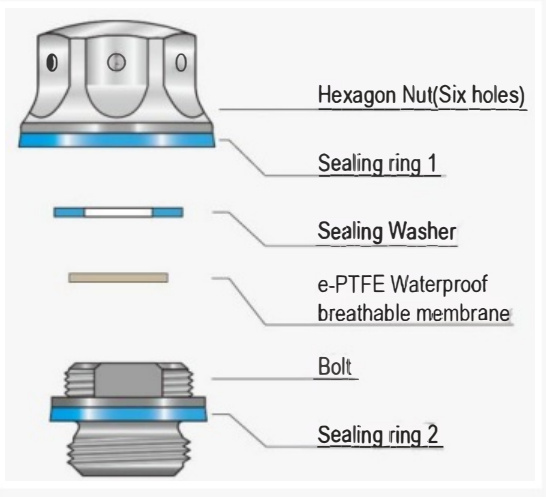
Temperature changes can create a pressure difference between a closed equipment enclosure and the surrounding air. A microporous ePTFE membrane allows gas exchange to help balance this difference while forming a barrier to liquid water and dust. The sectional view shows the membrane and double-sealing arrangement. Required airflow depends on the enclosure volume and how quickly its temperature and pressure change.
IP67 does not establish resistance to high-pressure jets or steam cleaning. Provide the cleaning pressure, temperature, chemicals and exposure conditions so that suitability can be reviewed for your installation.
No. The values are expressed per square centimetre of membrane at a pressure difference of 7 kPa. M6 is listed at 500-1,000 mL/min/cm²; the other sizes are listed at 500-3,500 mL/min/cm². Complete-breather airflow must be confirmed for the selected size.
Venting may help reduce moisture accumulation, but it does not guarantee a condensation-free enclosure. Results depend on humidity, temperature changes and the enclosure design.
This product is specified for pressure equalization. Liquid-condensate drainage is not specified. If your enclosure needs drainage, include that requirement in your enquiry so a suitable solution can be evaluated.
Consider this stainless steel pressure equalization vent for equipment housings where a cleanable exterior is required, including:
Confirm the mounting location and cleaning conditions for each application. This enclosure vent is not specified as a sterile process-gas filter or a safety pressure-relief valve.
HNBR: High mechanical strength and good resistance to oil, heat, wear, ozone, and ageing. Well suited to demanding sealing applications involving oils and lubricants.
EPDM: Excellent resistance to weathering, ozone, hot water, and steam, with good flexibility at low temperatures. Generally unsuitable for petroleum-based oils and fuels.
Based on our market observations, HNBR seals are common in food-processing equipment and EPDM seals in pharmaceutical equipment. For other applications, contact us to confirm the suitable material.